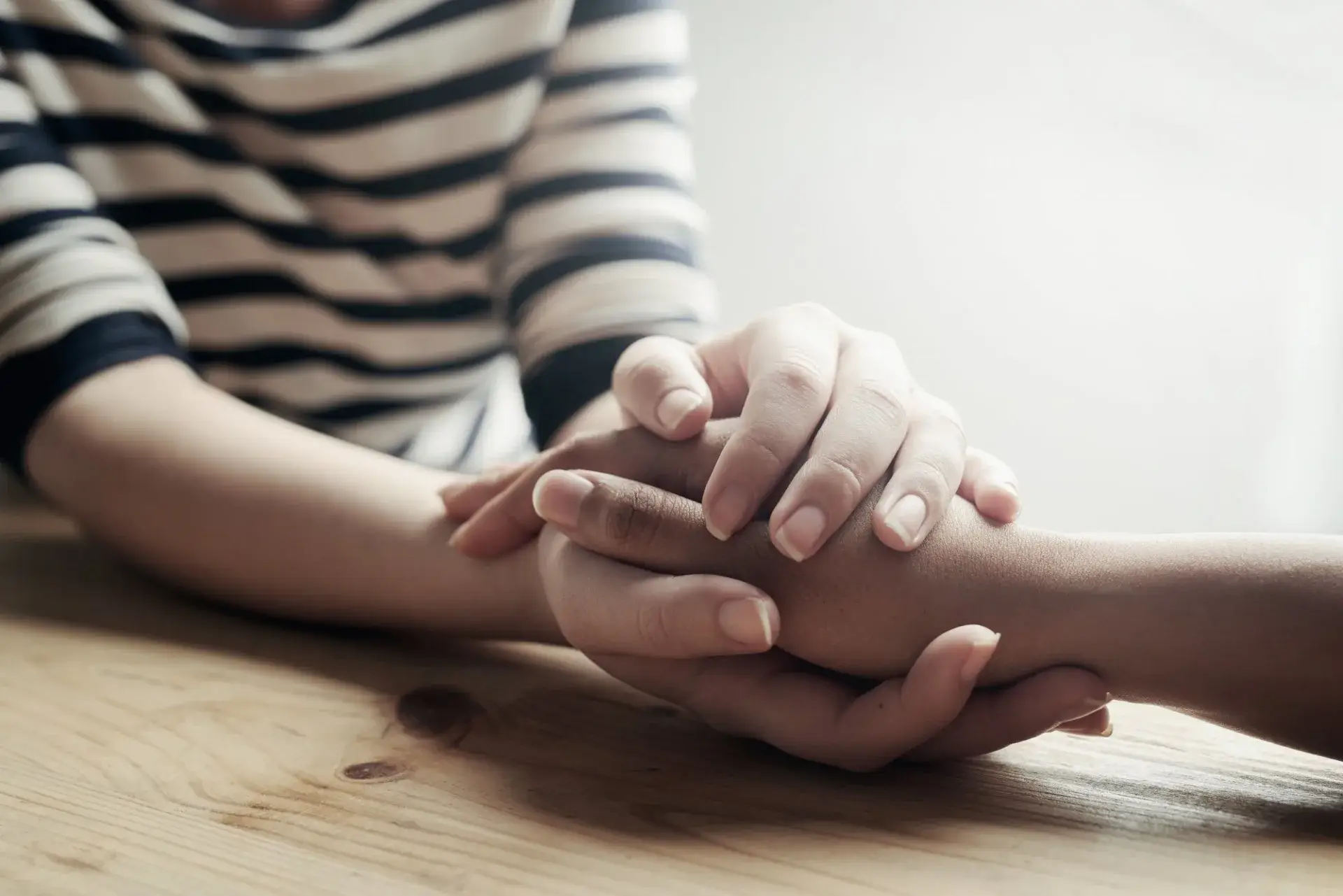
For a long time, Autism has been unfairly linked with the idea of “low empathy”. Many autistic adults grow up hearing that they don’t care about others’ feelings, and many parents are told their child struggles with empathy. But modern research is telling a very different story about Autism and empathy.
Autistic people do not lack empathy. Instead, empathy in Autism simply works differently.
What Researchers Have Learned About Autism and Empathy
Empathy is not one single skill. It has different parts:
- Cognitive empathy: understanding what someone else might be thinking or feeling.
- Affective empathy: actually feeling emotional concern for another person.
Large research reviews show that autistic people often experience differences mainly in cognitive empathy, not affective empathy. In other words, many autistic people feel emotions for others just as strongly (or sometimes more strongly) than non-autistic people. The challenge is often in interpreting social cues, facial expressions, or unspoken expectations.
When researchers use higher-quality tools, they often find that emotional empathy in autistic people is not reduced at all. What is different is how empathy is expressed. Many autistic adults describe caring deeply, but not always knowing how to show it in socially expected ways.
Why the Empathy Myth Has Been So Harmful To People With Autism
The idea that autistic people “lack empathy” has caused real harm:
- Autistic adults are often misunderstood or judged unfairly.
- Children are assumed to be emotionally disconnected when they are not.
- Support needs are misunderstood.
- Self-esteem can suffer when people are told they are “cold” or “uncaring”.
This myth has also made Autism assessments more difficult and sometimes less accurate.
What This Means for an Autism Diagnosis
Autism assessments are not about checking off stereotypes. They are about understanding a person’s full experience. When clinicians assume empathy should look a certain way, they may miss important information:
- An autistic child may care deeply, but struggle to show it verbally.
- An autistic adult may feel overwhelmed by others’ emotions, rather than detached.
- A person may appear distant when they are actually processing internally.
- Masking can hide emotional responses.
Understanding how empathy truly works in Autism helps professionals make better differential diagnoses, especially when Autism overlaps with anxiety, ADHD, trauma, or alexithymia. It also helps families and autistic individuals understand themselves with more compassion.
The Double Empathy Perspective in Autism
Newer research also introduces the double empathy concept. This means that misunderstandings happen both ways; autistic and non-autistic people may struggle to understand each other’s emotional communication styles. It is not a one-sided deficit. This perspective shifts the focus from what is wrong with the autistic person to how different brains communicate differently.
Why Understanding Empathy Matters for Autistic Adults
If you are autistic, your empathy may look different. It may feel different. It may be expressed differently. But it is real. Many autistic adults describe:
- Deep emotional sensitivity
- Strong moral concern
- Intense compassion
- Emotional overwhelm
- Difficulty putting feelings into words
None of that is a lack of empathy.
Why Understanding Empathy Matters for Parents
If you are a parent of an autistic child, it can be incredibly reassuring to know that your child is not emotionally disconnected. They may simply need support learning how to communicate their empathy in ways others recognize.
Moving Toward Better Understanding of Autism and Empathy
Autism is not defined by emotional absence. It is defined by neurological difference. Scientific research now shows that autistic people tend to show much greater variability in empathy than neurotypical people. Instead of clustering tightly around an average, autistic individuals’ empathy scores spread over a wider range: some autistic people fall in the typical range, others may show very strong emotional responsiveness, and others may show different patterns across different types of empathy.
When we replace outdated myths with real science, we make space for:
- More accurate diagnosis
- Better support
- Stronger self-understanding
- Healthier identity development
- More compassion for neurodiversity
Empathy in Autism is not missing. It is diverse. And diversity deserves understanding, not judgment.
If you are considering Autism testing for yourself or your child, reach out to Psychology For Life. Our experienced team is here to guide you through the process with expertise and compassion.
[Original Source: https://www.psychologytoday.com/us/blog/positively-different/202509/the-autism-and-empathy-myth-what-the-science-really-says]