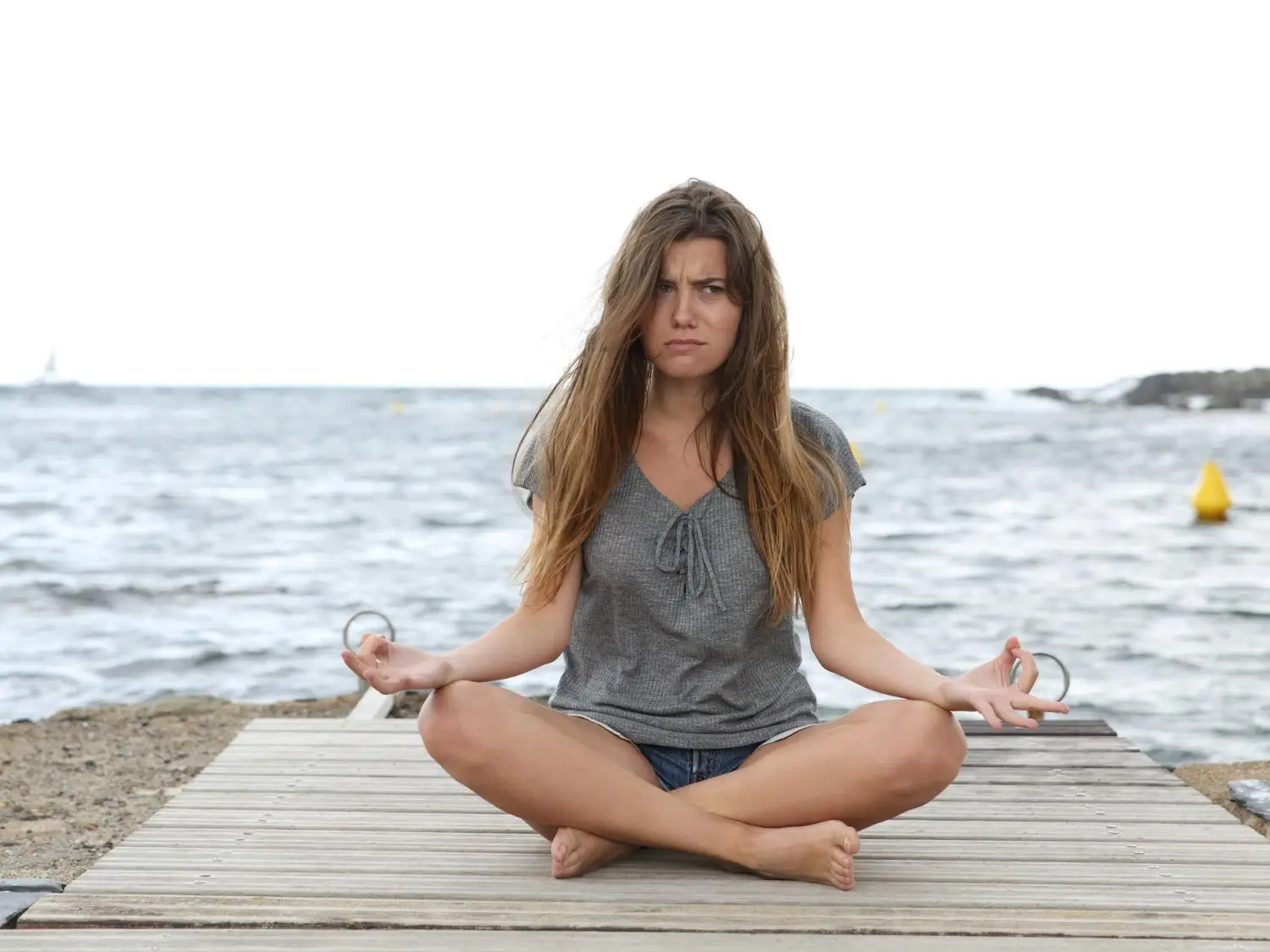
Relaxation is supposed to calm the body and mind, but for some people, it can actually make anxiety worse. Recent research from Penn State helps explain why.
The study looked at a phenomenon called relaxation-induced anxiety, where individuals become more anxious during relaxation exercises. The research team found that people who are highly sensitive to emotional shifts, such as quickly moving from calm to scared, are more likely to experience anxiety when trying to relax.
According to research, some people unintentionally keep themselves worried as a way to avoid the discomfort of a sudden spike in anxiety if something bad happens. This pattern fits into what’s called a contrast avoidance theory, which suggests that staying anxious feels safer than risking a sharp emotional drop.
In a Penn State study, 96 participants (some with Generalized Anxiety Disorder or Major Depression, and some without any diagnosis) completed relaxation exercises and then watched emotional videos. Those who were more sensitive to emotional swings were more likely to become anxious during the next relaxation session. This was especially true for participants with Generalized Anxiety Disorder.
Ironically, the people who need relaxation the most, such as those with anxiety disorders, may be the ones who find it the hardest to tolerate active relaxation.
The researchers emphasize that learning to experience these emotional shifts is essential. With practice, mindfulness and relaxation can become easier and more beneficial.
Their hope is that understanding relaxation-induced anxiety will help therapists tailor treatments for people who find traditional relaxation techniques uncomfortable or triggering.
At Psychology for Life, we frequently work with clients who struggle with anxiety, emotional regulation, and the discomfort that can arise during mindfulness or relaxation practice. Our therapists provide evidence-based support to help clients gradually build tolerance, reduce avoidance patterns, and develop skills that make everyday life feel more manageable. If you or someone you care about experiences anxiety around relaxation or emotional shifts, our team is here to help.
[Original Source: https://www.psu.edu/news/research/story/people-anxiety-may-strategically-choose-worrying-over-relaxing]